

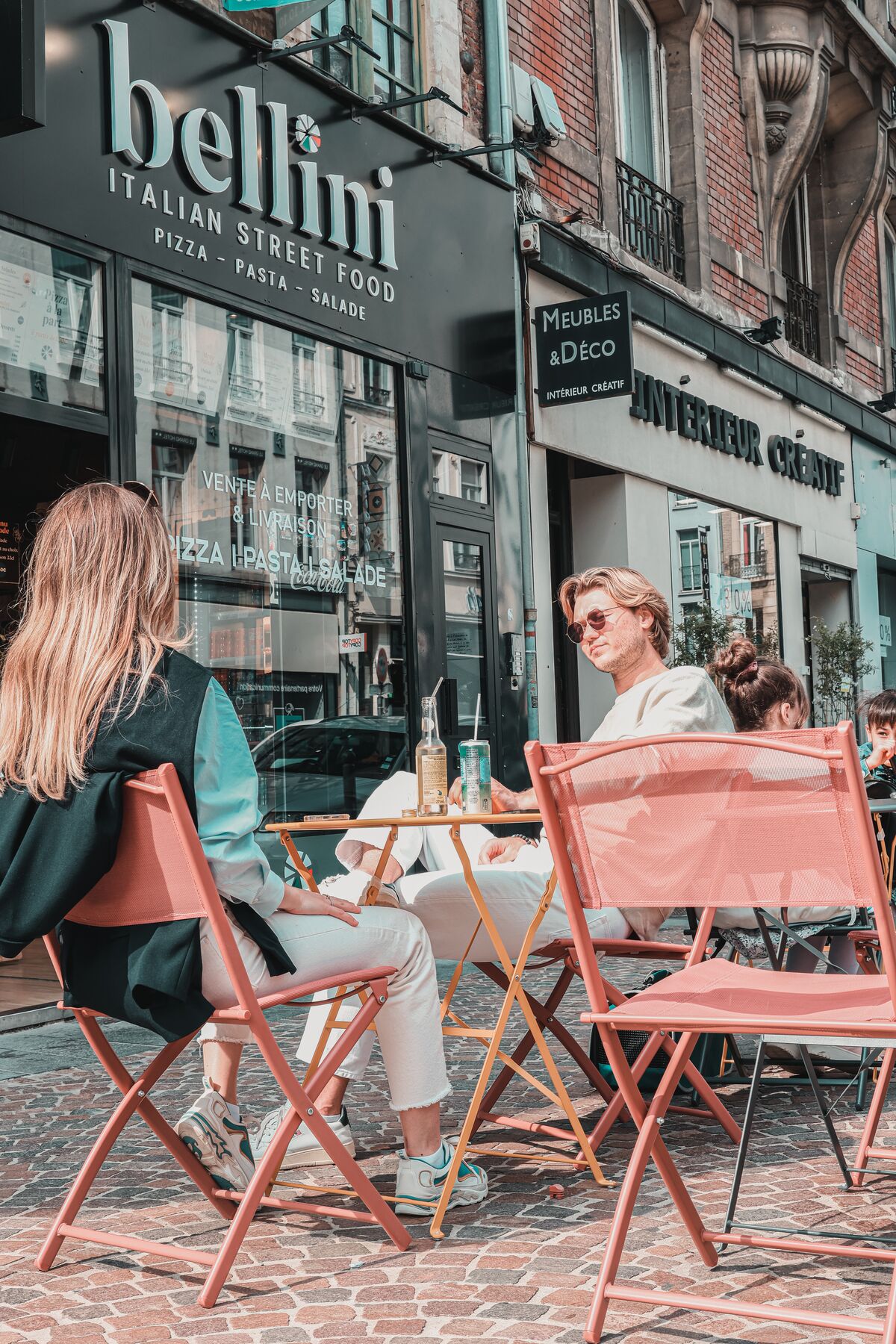
Sur place, en terrasse Nos 2 adresses
Salle et terrasse aux deux boutiques, dès les beaux jours. Sans réservation : vous poussez la porte, vous vous installez, le four est visible depuis la salle.
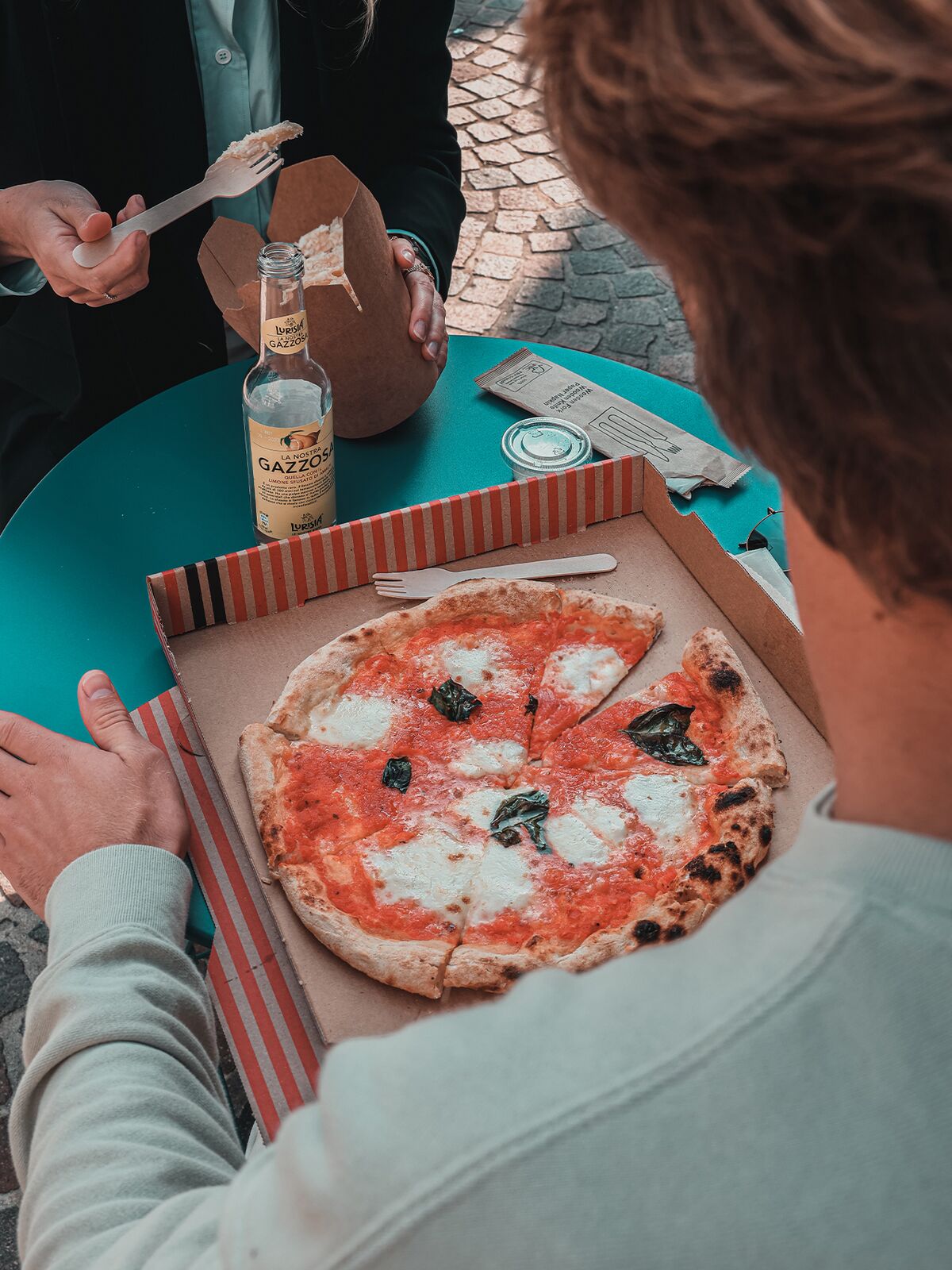
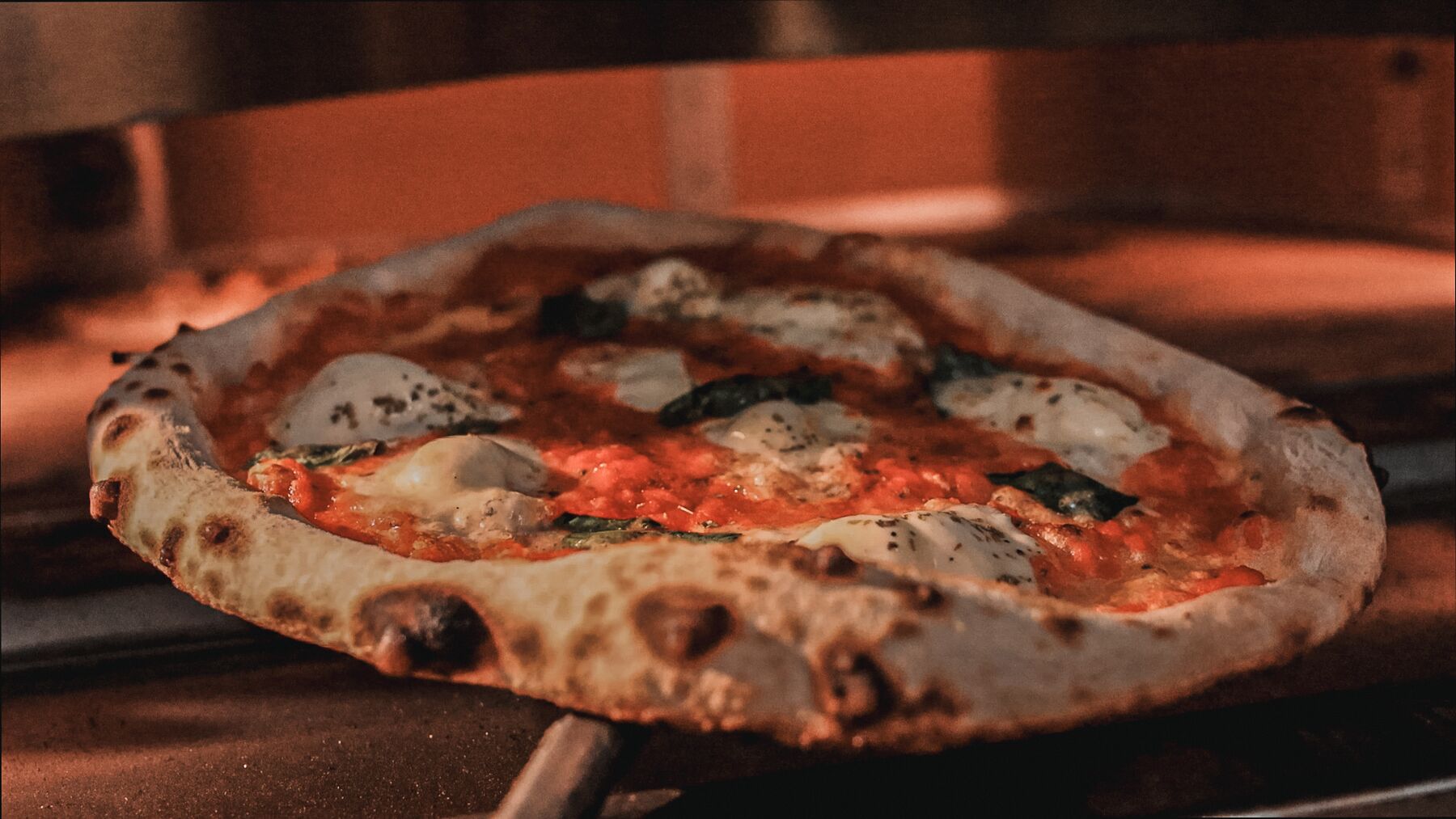
Une pâte maturée, de la sauce Mutti, de la fior di latte et un four à pierre mené par Enzo — vingt ans de pizzas à Pescara. Sur place en terrasse, à emporter, ou livré chez vous.
Salle et terrasse aux deux boutiques, dès les beaux jours. Sans réservation : vous poussez la porte, vous vous installez, le four est visible depuis la salle.
Dans le carton ou le pot, prêt en dix minutes. Un coup de fil à la boutique et c'est sur le comptoir à votre arrivée.
Via Uber Eats, sur le centre de Lille et les quartiers alentour. Même carte, mêmes prix.
Chez Bellini, tout est fait maison, tous les jours. Les produits viennent directement d'Italie : tomates Mutti, mozzarella fior di latte, scamorza fumée, burrata. Le reste tient à une main — celle d'Enzo, notre chef, arrivé de Pescara avec vingt ans de four derrière lui.
Pas de nappe, pas de cérémonie : de la vraie cuisine italienne, servie vite et bien, dans un carton ou sur la terrasse.
Vingt pizzas, huit sauces de pâtes, des salades et des arancini : il y a de quoi hésiter. Répondez à quatre questions, on vous dit exactement quoi commander — le plat, la formule qui va avec, et le prix total.
Ça prend vingt secondes. Rien n’est enregistré, et vous pouvez tout recommencer.
 La maison
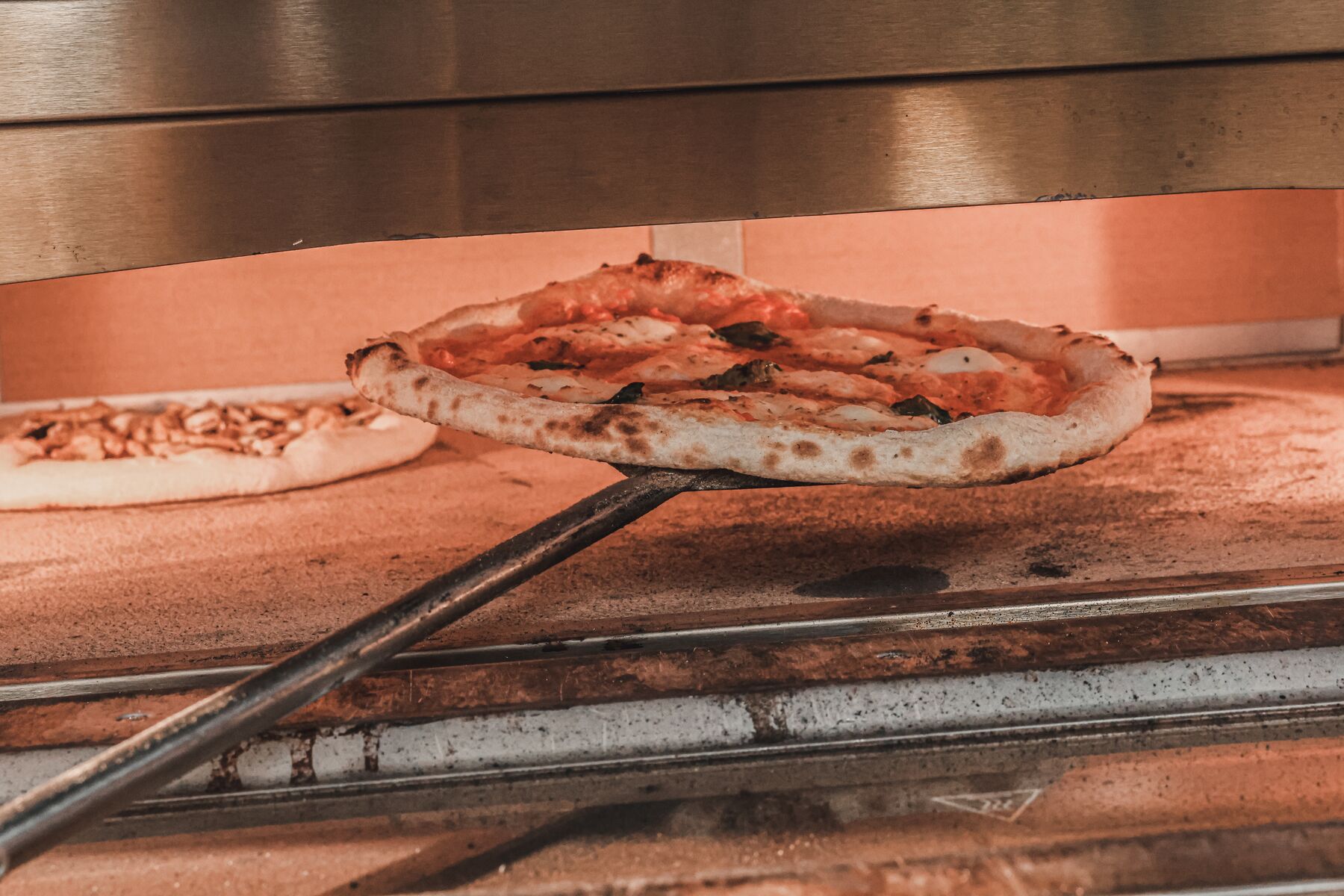
Sole réfractaire, chaleur haute, quatre-vingt-dix secondes. C'est ce qui donne la bordure gonflée et les taches de léopard.
Sauce Mutti, mozzarella fior di latte, gorgonzola, scamorza fumée, burrata de 125 g. Rien de reconstitué.
Dès 3,50 € la part, renouvelée toute la journée. Deux parts, une boisson et un dessert : 12,90 €. Le déjeuner en dix minutes.
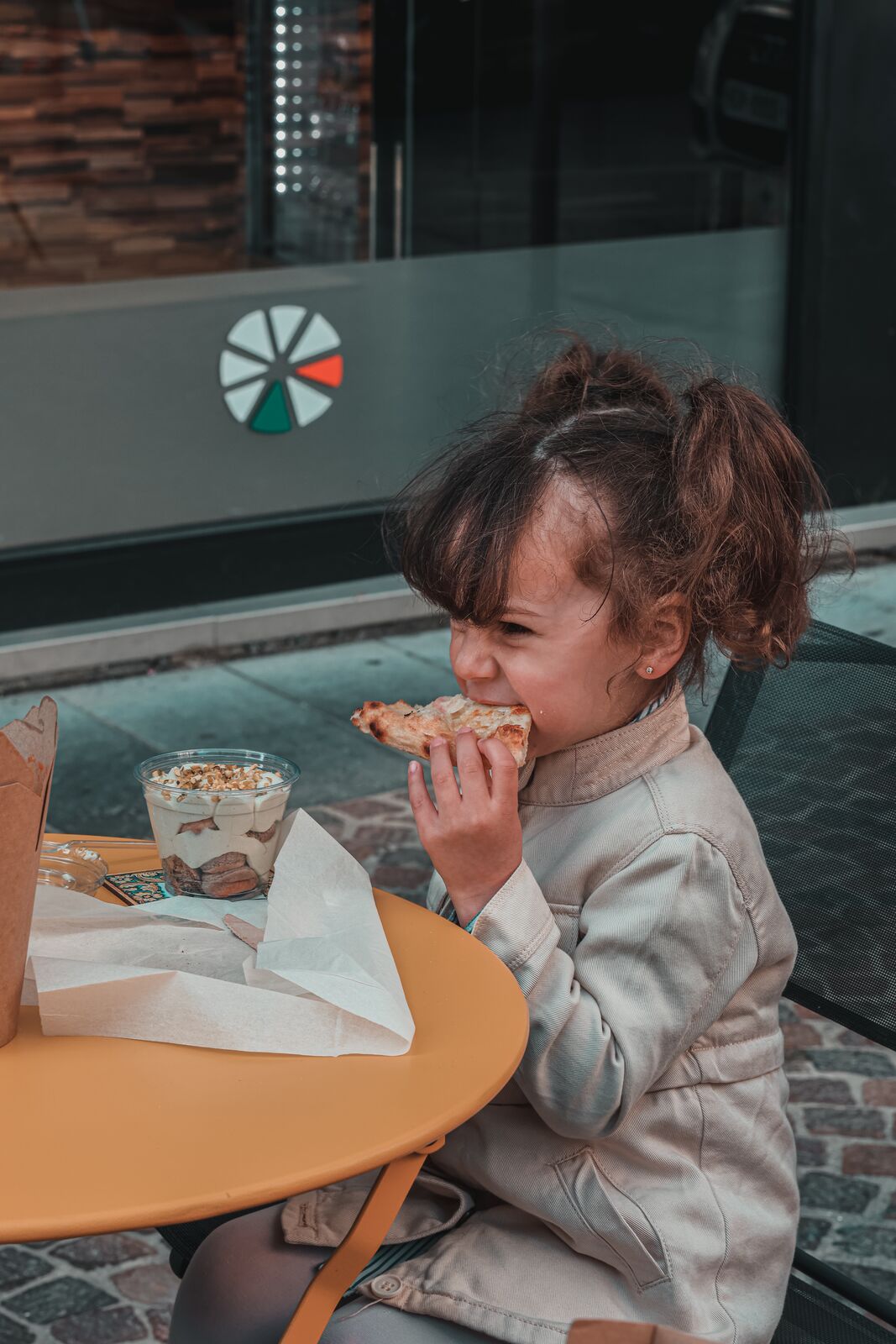
Aux deux adresses, dès les beaux jours. Sans réservation : on s'installe, on mange, on repart quand on veut.
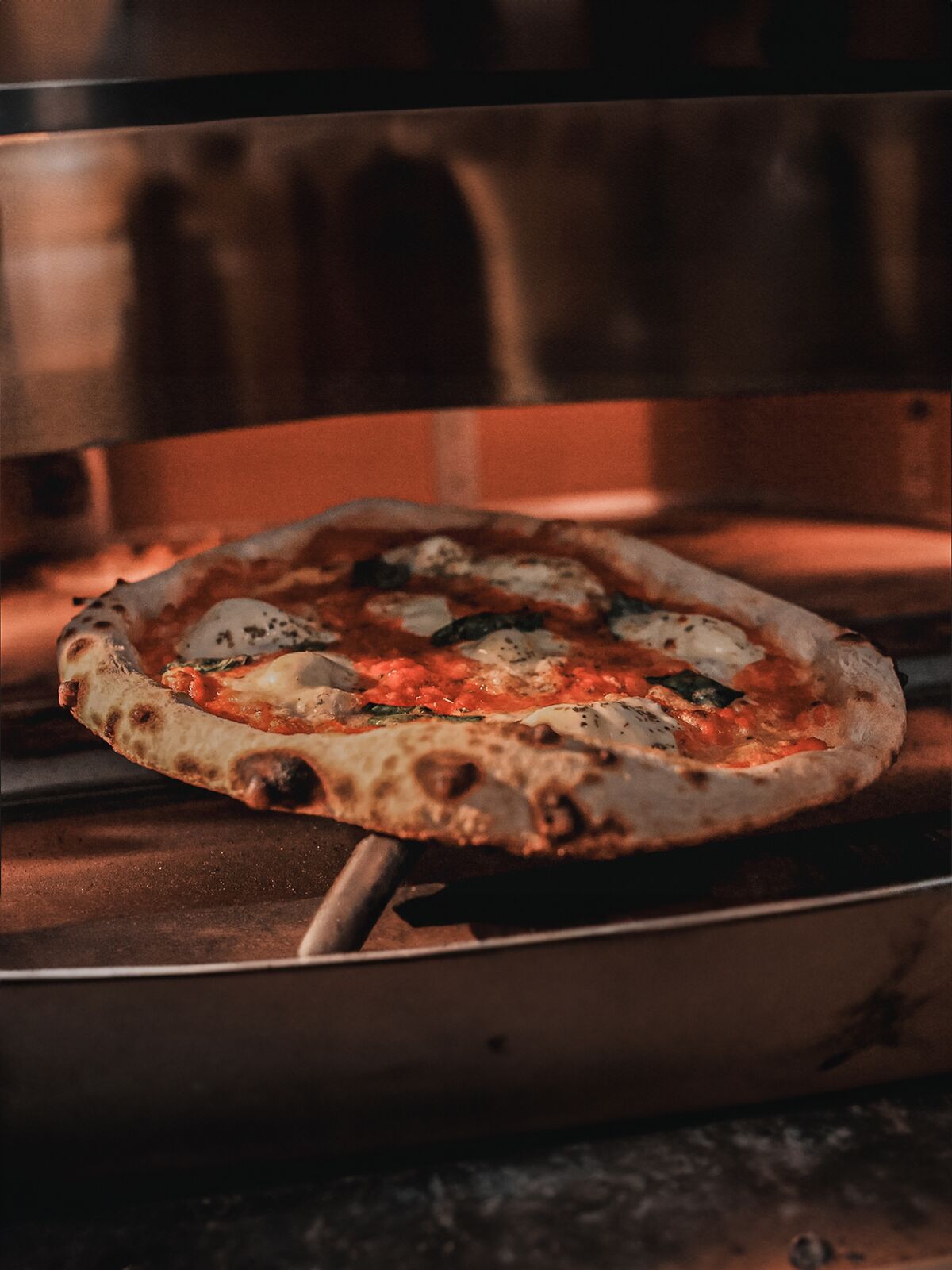
Sauce tomate, mozzarella, aubergine, viande hachée et une burrata posée à la sortie du four. Celle qui porte le nom de la maison.
Voir les pizzas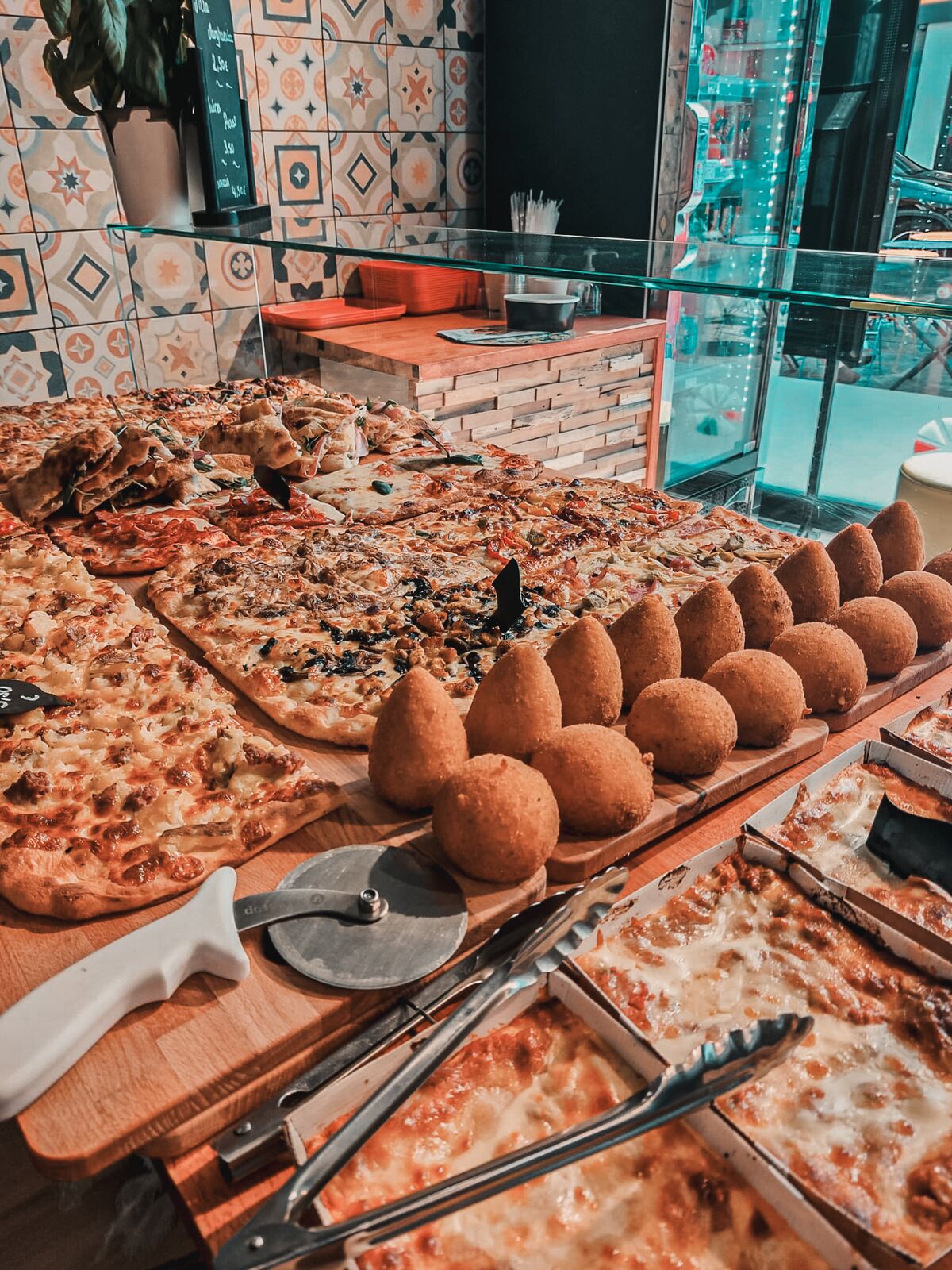
Pizza al taglio, focaccia, lasagne et arancini dorés alignés au comptoir. On montre du doigt, on repart avec.
Voir le comptoir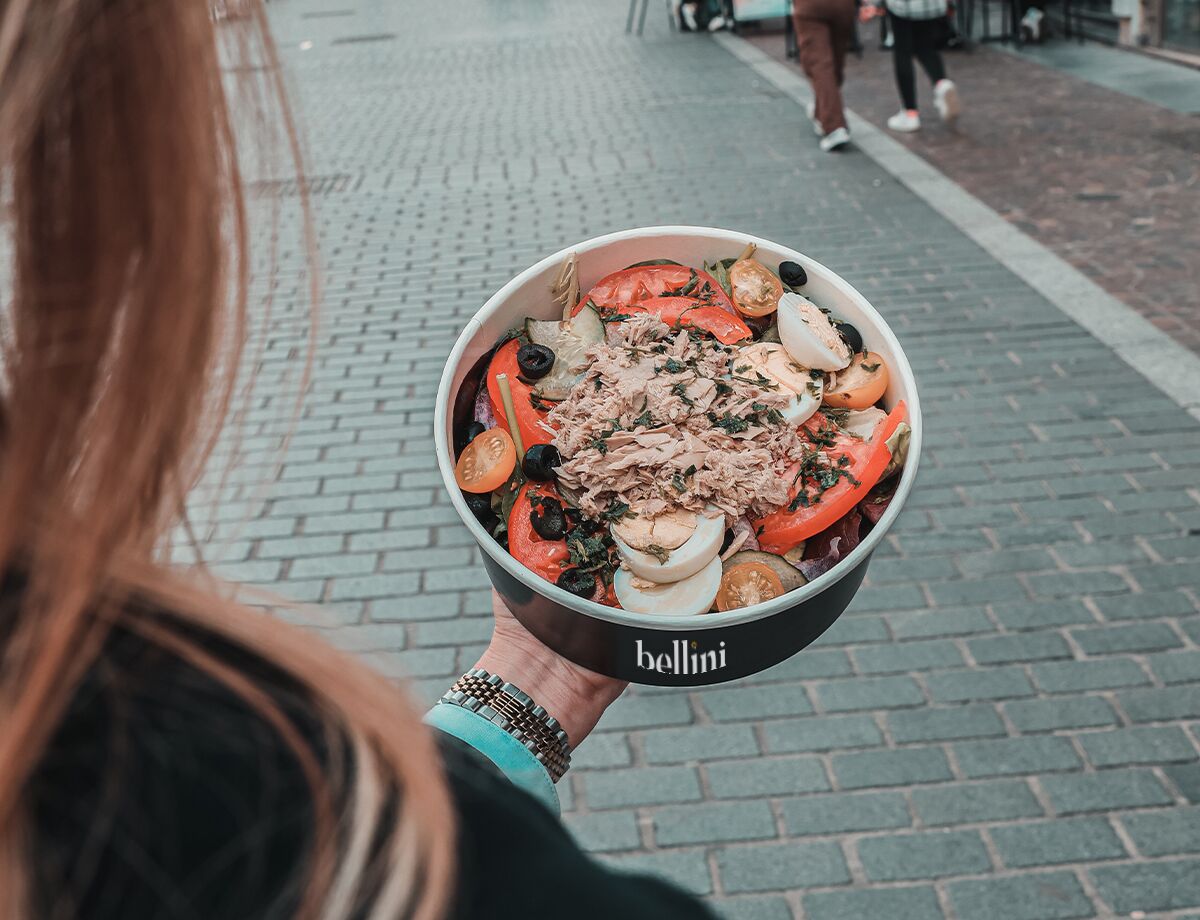
Burrata de 125 g ou César au poulet grillé. Fraîches, généreuses, dans un bol qui se transporte bien.
Voir les saladesQuatre formules pensées pour la pause déjeuner — dont un menu étudiant à 8,90 € sur présentation de la carte.
Sur présentation de la carte étudiante.
Penne ou gnocchi, huit sauces au choix.
Menu Maxi 980 ml : 12,50 €
+4 € sur le prix de la pizza choisie.
Burrata ou César.
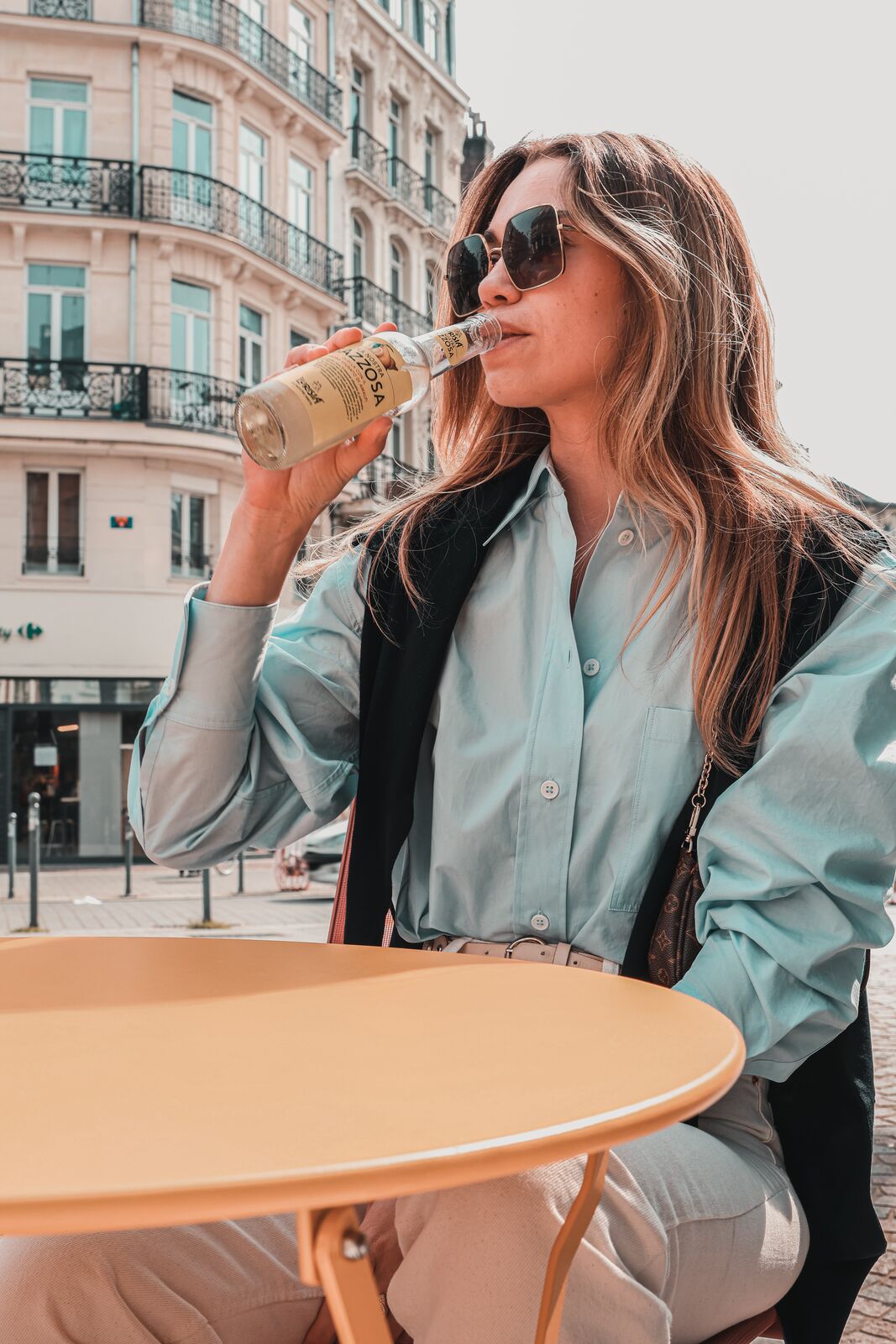
Rue des Ponts de Comines, les tables donnent sur les pavés, entre la gare et l'Apple Store. Rue de Béthune, c'est la rue piétonne : on s'assoit, on regarde passer la ville, la pizza arrive dans son carton.
Pas de réservation, pas de service compassé. Vous vous installez, vous mangez, vous repartez quand vous voulez.
4,8814 avis Google
4,8158 avis Google
Commandez en ligne pour la livraison, appelez pour l'emporter, ou passez simplement : il reste presque toujours une place en terrasse.